
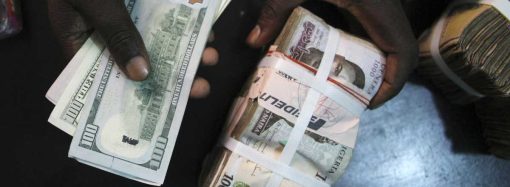
The Nigerian Naira recorded a historic recovery on Wednesday, trading below the ₦1,350/$1 mark in the parallel market for the first time since May 2024. The sudden surge in value follows a decisive policy shift by the Central Bank of Nigeria (CBN) aimed at crushing the volatility of the retail foreign exchange segment. According to
The Nigerian Naira recorded a historic recovery on Wednesday, trading below the ₦1,350/$1 mark in the parallel market for the first time since May 2024. The sudden surge in value follows a decisive policy shift by the Central Bank of Nigeria (CBN) aimed at crushing the volatility of the retail foreign exchange segment.
According to market surveys across major hubs in Lagos, Abuja, and Kano, the local currency strengthened significantly from the ₦1,480 recorded earlier in the week, closing at an average of ₦1,345 by midday Wednesday.
The “BDC 150k” Boost
The primary driver of this appreciation is a new circular released by the CBN’s Director of Trade and Exchange Department, Musa Nakorji. The directive officially reintroduces licensed Bureau De Change (BDC) operators into the official foreign exchange market with the following mandates:
- Weekly Liquidity Injection: Each licensed BDC is now permitted to purchase up to $150,000 weekly from authorized dealer banks.
- Retail Market Focus: These funds are strictly earmarked for “legitimate end-user needs,” such as Business Travel Allowance (BTA), Personal Travel Allowance (PTA), school fees, and medical bills.
- Price Transparency: BDCs must sell at rates reflective of the prevailing market conditions, effectively narrowing the gap between the official and black-market rates.
“The measure is designed to improve access to foreign currency for end-users and deepen efficiency in the foreign exchange market,” the CBN stated in its official communication.
Strict Compliance and “24-Hour” Rule
To prevent the hoarding and speculation that marred previous BDC interventions, the apex bank has introduced a “Zero-Position” policy. Under this rule:
- Mandatory Resale: Any foreign currency purchased by a BDC that remains unutilized must be sold back to the market within 24 hours.
- Digital Tracking: All transactions must be conducted through settlement accounts with licensed financial institutions; third-party transactions are strictly prohibited.
- Cash Caps: Cash settlement for FX sales is now limited to a maximum of 25% of each transaction, with the balance required to be settled electronically.
Market Reaction: Relief for Importers
The appreciation has sent a wave of cautious optimism through the business community. Local manufacturers, who have struggled with skyrocketing import costs, hope this stability will translate into a reduction in the prices of raw materials.
“This is the clearest signal we’ve seen that the CBN is ready to tackle the supply side of the problem,” said Alhaji Aminu Gwadabe, President of the Association of Bureau De Change Operators of Nigeria (ABCON). “By providing $150,000 weekly, the bank is starving the black market of the desperation that usually drives rates up.”
Analysts Warn of Sustainability
While the gains are significant, economic analysts suggest that long-term stability hinges on Nigeria’s ability to sustain its crude oil production and attract more Foreign Direct Investment (FDI).
As of Wednesday evening, the Naira continues to maintain its newfound strength, with some operators predicting it could test the ₦1,300 level by the end of the week if the liquidity injection remains consistent.

















Leave a Comment
Your email address will not be published. Required fields are marked with *