Nigeria’s armed forces have launched a major security offensive code-named Operation Savannah Shield in Kwara State following last week’s deadly attack in the Woro community, underscoring rising concerns over militant activity and the federal government’s intensified response to insecurity. The operation was rolled out in the wake of a brutal assault that left scores dead
Nigeria’s armed forces have launched a major security offensive code-named Operation Savannah Shield in Kwara State following last week’s deadly attack in the Woro community, underscoring rising concerns over militant activity and the federal government’s intensified response to insecurity.
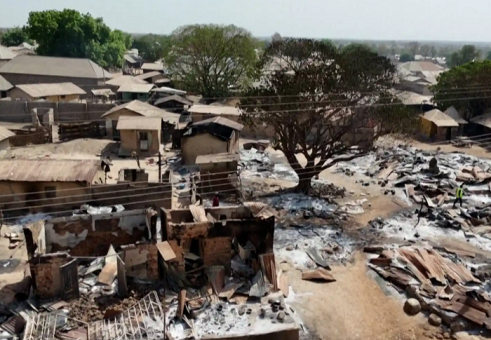
The operation was rolled out in the wake of a brutal assault that left scores dead and entire villages devastated. Residents of Woro and nearby communities have been left reeling as security agencies work to push back militant groups exploiting porous borders and weak intelligence coverage in the region.
Security Situation in Kwara
The Nigerian Army’s action in Kwara comes after persistent attacks in the state’s northern belt, particularly the Woro, Nuku, and surrounding villages where an estimated 162 to more than 200 villagers were killed and several kidnapped by extremist militants earlier this month.
According to eyewitness accounts and humanitarian reports the attackers targeted communities that resisted forced imposition of strict ideological codes of conduct, setting homes ablaze and executing residents in coordinated raids.
Millions of Nigerians have been internally displaced as families fled in search of safety while the military has called for calm and cooperation from residents, stressing that the offensive is designed to dismantle militant strongholds and restore normalcy.
What Operation Savannah Shield Entails
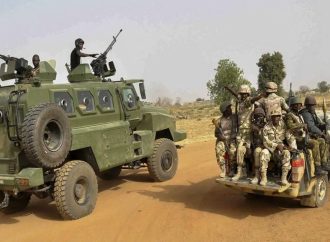
The newly launched operation integrates army, air force, and paramilitary assets tasked with:
- Securing vulnerable border communities
- Conducting intelligence-led raids on militant hideouts
- Bolstering civilian protection and early warning systems
Military leaders say the operation’s first phase will focus on disrupted supply lines and safe evacuation corridors for displaced civilians. Coordination with neighbouring Niger Republic authorities is reportedly underway to prevent militant spill-over. Analysts describe the offensive as the most significant response since late 2025 when insurgent activity spiked across central and northwestern Nigeria.
Government Response and Public Sentiment

President Bola Ahmed Tinubu condemned the recent attacks as “barbaric and unacceptable” and reaffirmed the federal government’s commitment to protecting all Nigerian citizens irrespective of ethnicity or religion.
Local officials have appealed for more intelligence sharing and security reinforcement, while community leaders are urging humanitarian support for displaced families and survivors. Many have criticized the slow pace of previous responses but acknowledge that the scale of the offensive reflects a heightened seriousness within the security architecture.
Residents in affected areas say they remain cautiously optimistic but fear potential retaliation from militant groups. They also decry the economic disruptions caused by prolonged insecurity, which has halted farming and commerce in some communities.
Expert Views
Security analysts believe Operation Savannah Shield could yield results if paired with:
- Sustained community engagement
- Socio-economic development initiatives
- Strengthened inter-agency collaboration
However they caution that without addressing root causes such as youth unemployment and weak governance in rural areas militant threats may re-emerge.










Leave a Comment
Your email address will not be published. Required fields are marked with *