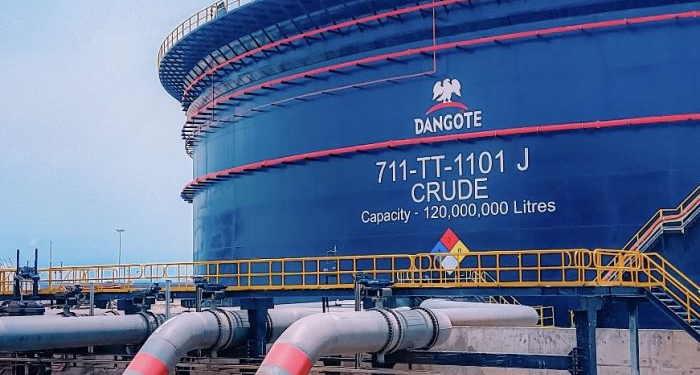
The Dangote Petroleum Refinery in Lagos has reached its full designed processing capacity of 650,000 barrels per day (bpd) after optimisation of key units, including the crude distillation and motor spirit production systems. This milestone marks the facility as one of the largest single-train refineries in the world and a major development for Nigeria’s energy
The Dangote Petroleum Refinery in Lagos has reached its full designed processing capacity of 650,000 barrels per day (bpd) after optimisation of key units, including the crude distillation and motor spirit production systems. This milestone marks the facility as one of the largest single-train refineries in the world and a major development for Nigeria’s energy sector.
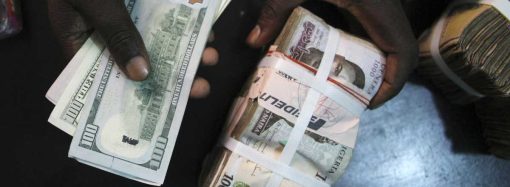
Billionaire investor Femi Otedola publicly praised the achievement and said that reducing Nigeria’s dependence on fuel imports could ease pressure on foreign exchange markets. He wrote that with domestic refining now firmly established, the demand for dollars to import petrol should fall, which in his view could help strengthen the naira. Otedola projected that the naira could trade below ₦1,000 to the U.S. dollar before the end of 2026.
Otedola also noted that Dangote Group has begun a planned $12 billion expansion aimed at increasing refining capacity to 1.4 million bpd and producing additional petrochemical products such as polypropylene and linear alkyl benzene. He described the refinery’s expansion as transformational for Nigeria and Africa.
Industry analysts highlight that full operation of the refinery could significantly reduce Nigeria’s bill for imported petroleum products, potentially saving billions in foreign exchange. Higher domestic supply of petrol and other refined fuels may stabilise availability and reduce price volatility within the country.
However, the actual effect on the exchange rate will depend on broader economic factors, including crude supply, foreign exchange policies, and global market conditions. Reforming fuel imports is only one component of a complex foreign exchange and macroeconomic environment.


















Leave a Comment
Your email address will not be published. Required fields are marked with *