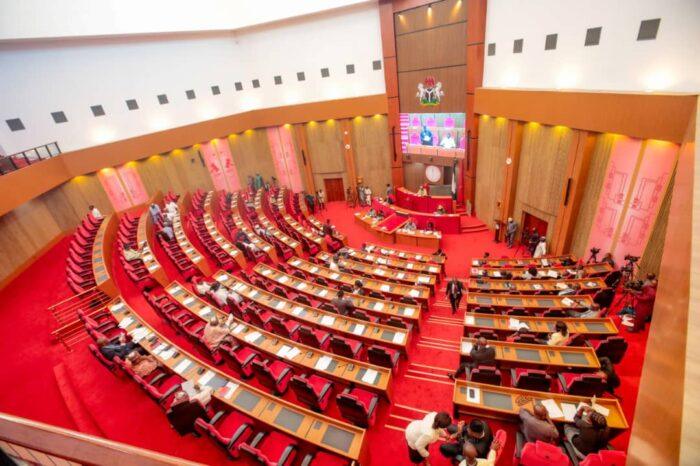
The Senate has approved the Electoral Act Amendment Bill 2026, marking a key step forward in Nigeria’s electoral reform process after hours of detailed debate on the measure. Lawmakers gathered in plenary on Tuesday to consider and adopt the clauses that will shape the new legal framework for elections ahead of the 2027 general elections.
The Senate has approved the Electoral Act Amendment Bill 2026, marking a key step forward in Nigeria’s electoral reform process after hours of detailed debate on the measure. Lawmakers gathered in plenary on Tuesday to consider and adopt the clauses that will shape the new legal framework for elections ahead of the 2027 general elections.
During proceedings senators went through the bill clause by clause in a session that lasted several hours and at the end the chamber voted in favour of the amended legislation. Among the reforms adopted was a reduction in the timeline within which the Independent National Electoral Commission (INEC) must issue a notice of election from 360 days to 180 days a move intended to tighten the preparation period for polls.
The Senate also addressed provisions on how election results are transmitted. Lawmakers rejected a proposal that would have made real‑time electronic transmission from polling units compulsory but retained the option for electronic transfer with allowances for manual processes where technology fails.
Changes were also made to sanctions for electoral offences. A proposed 10‑year ban for people convicted of buying or selling voter cards was removed but officials approved tougher penalties including a fine of ₦5 million and a two‑year jail term for offenders.
After passing the Senate the bill will now go to a conference committee where members of both chambers of the National Assembly will work to harmonise differences between the Senate and House of Representatives versions before the final copy is sent to President Bola Tinubu for assent.
The passage of the bill followed growing public interest and debate about electoral reform in Nigeria. Civil society activists and political figures have strongly advocated for measures such as clearer mandates on electronic result transmission and better protections for voters rights as part of broader efforts to improve credibility and transparency in the electoral process.
Senate leadership said the changes reflect a careful balance between using technology to enhance election integrity and recognising practical challenges on the ground as Nigeria prepares for its next cycle of national polls.



















Leave a Comment
Your email address will not be published. Required fields are marked with *