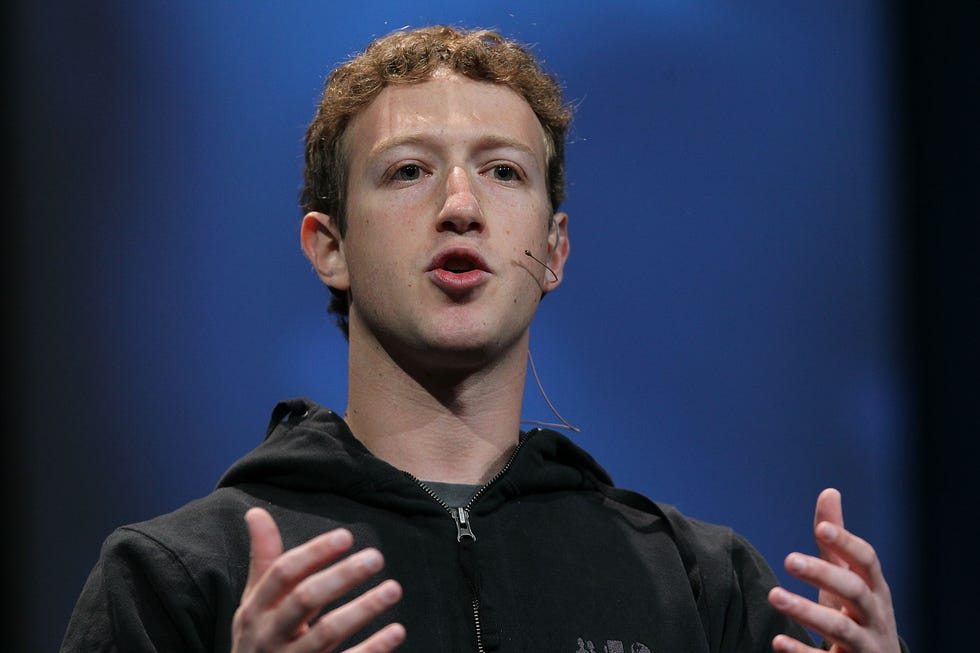
Meta Platforms CEO Mark Zuckerberg was intensely questioned in a landmark social media trial on Wednesday as attorneys pressed him on the company’s handling of underage users on Instagram and its efforts to protect children from harmful content. The case is being closely watched as a possible precedent for thousands of similar lawsuits alleging that
Meta Platforms CEO Mark Zuckerberg was intensely questioned in a landmark social media trial on Wednesday as attorneys pressed him on the company’s handling of underage users on Instagram and its efforts to protect children from harmful content. The case is being closely watched as a possible precedent for thousands of similar lawsuits alleging that major social platforms harm children’s mental health.
Zuckerberg appeared at the Los Angeles County Superior Court where a jury trial is under way involving a 20-year-old plaintiff identified as KGM, who claims her use of platforms including Instagram and YouTube from a young age contributed to depression, anxiety and other mental health issues. Lawyers for the plaintiff challenged Zuckerberg on whether Meta did enough to verify ages and prevent children under 13 from accessing its services.
During his testimony Zuckerberg said Meta has improved its ability to identify underage accounts but admitted progress was slow and that he “always wish that we could have gotten there sooner” in enforcing age limits. He also acknowledged that some users lie about their age to join despite the minimum age policy and defended the company’s current age-verification tools.
The questioning included references to internal company documents showing past concerns that age checks were inadequate and that boosting time spent on the platform had long been an internal metric. Plaintiff lawyers argued that these practices showed a pattern of prioritising engagement over safety for vulnerable young users. Zuckerberg pushed back saying features such as algorithms and in-app design were not intentionally made to addict children.
The trial also involves tech giants such as Google’s YouTube which remain defendants in the case while other platforms like TikTok and Snapchat have settled earlier lawsuits. The jury’s eventual decision could have wide-ranging implications for how social media companies are regulated and held accountable for user safety, particularly children and teenagers.



















Leave a Comment
Your email address will not be published. Required fields are marked with *