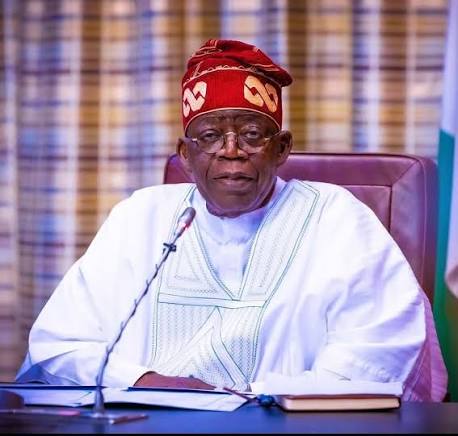
President Bola Ahmed Tinubu has urged Nigerians to ensure peaceful and orderly conduct ahead of elections scheduled for Saturday February 21 2026 in the Federal Capital Territory (FCT), Rivers State and Kano State, saying democratic processes work best when voters, political actors, security forces and electoral officials act responsibly, presidential aides say. In a statement
President Bola Ahmed Tinubu has urged Nigerians to ensure peaceful and orderly conduct ahead of elections scheduled for Saturday February 21 2026 in the Federal Capital Territory (FCT), Rivers State and Kano State, saying democratic processes work best when voters, political actors, security forces and electoral officials act responsibly, presidential aides say.
In a statement issued on Friday by his spokesperson Bayo Onanuga, the president called on voters to turn out confidently and exercise their civic rights without fear saying “democracy thrives best in an atmosphere of calm, tolerance and mutual respect.” He appealed to political parties, candidates and their supporters to avoid violence, inflammatory statements and any conduct that could undermine the credibility of the election.
Tinubu also warned security agencies against high-handedness intimidation or any action that could disenfranchise voters or erode public trust adding that their role is to protect lives property and the sanctity of the ballot. He said security personnel must be professional saying their presence should reassure rather than intimidate citizens on election day.
The president urged the Independent National Electoral Commission (INEC) to take necessary steps to build voter confidence by ensuring timely accreditation accurate collation prompt transmission of results and smooth voting procedures in line with the recently assented Electoral Act 2026. He said the federal government will continue to support institutions tasked with delivering free fair and credible elections that reflect the will of the people.
INEC is expected to conduct area council elections across the six councils in the FCT involving more than 1.6 million registered voters and bye-elections in constituencies in Kano and Rivers states. The polls come amid broader debates around electoral reforms and the implementation of the new law that introduces key changes to accreditation and result-transmission processes.















Leave a Comment
Your email address will not be published. Required fields are marked with *