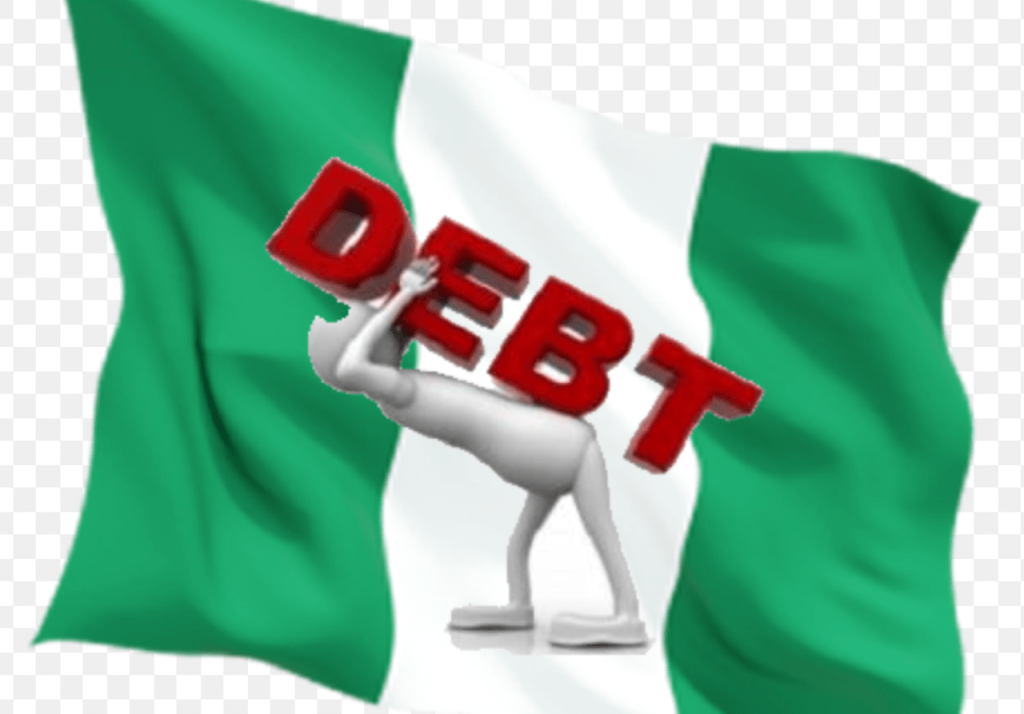
Nigeria’s Federal Government domestic debt stock climbed sharply to about ₦77.81 trillion as of September 30, 2025, driven largely by fresh issuances of federal government bonds and increased Treasury Bills, the country’s Debt Management Office (DMO) data shows. The latest figures indicate that domestic debt increased by around ₦7.40 trillion within nine months, rising from ₦70.41 trillion at the end
Nigeria’s Federal Government domestic debt stock climbed sharply to about ₦77.81 trillion as of September 30, 2025, driven largely by fresh issuances of federal government bonds and increased Treasury Bills, the country’s Debt Management Office (DMO) data shows.
The latest figures indicate that domestic debt increased by around ₦7.40 trillion within nine months, rising from ₦70.41 trillion at the end of 2024 to the current level, reflecting the government’s continued reliance on borrowing to finance budget deficits and meet fiscal obligations.
According to the breakdown of the figures federal government bonds remain the dominant component of the domestic debt portfolio, accounting for nearly 80 per cent of the total stock. The bulk of the funds raised through these instruments has been used to meet debt obligations and support budgetary spending.
The sharp rise in domestic borrowing highlights the government’s strategy of using local financial markets to address shortfalls in revenue and fund essential services at a time when budget deficits persist. Analysts say while this supports fiscal operations, it also increases pressure on future budgets due to interest costs associated with servicing the debt.
The expanded domestic debt comes amid wider discussions about Nigeria’s overall public debt, which includes both domestic and external liabilities. Data released by the DMO shows that total public debt — federal government, state and Federal Capital Territory obligations combined — stood at about ₦153.29 trillion by September 2025, with domestic borrowing representing a significant share.
Economists warn that while borrowing plays a role in economic management debt sustainability and prioritising growth‑enhancing investments will remain crucial as the government balances revenue generation and expenditure needs in the coming years.



















Leave a Comment
Your email address will not be published. Required fields are marked with *