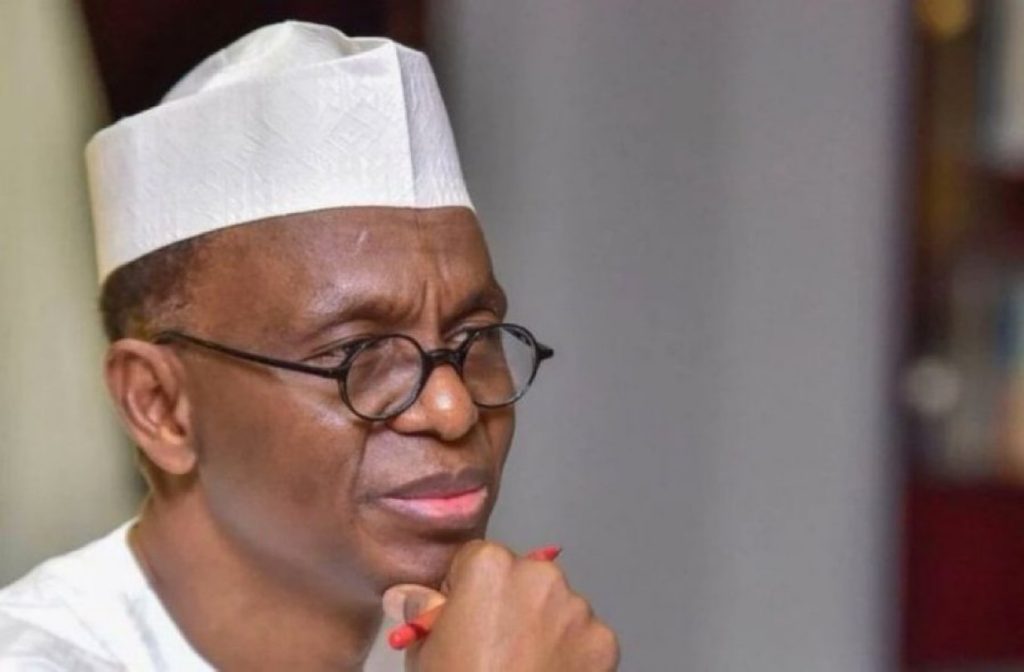
A court has granted the Independent Corrupt Practices and Other Related Offences Commission permission to continue detaining former Kaduna State governor Nasir Ahmad El‑Rufai for another 14 days to enable investigators conclude their probe. The order followed an application filed by the anti corruption agency Independent Corrupt Practices and Other Related Offences Commission which asked
A court has granted the Independent Corrupt Practices and Other Related Offences Commission permission to continue detaining former Kaduna State governor Nasir Ahmad El‑Rufai for another 14 days to enable investigators conclude their probe.
The order followed an application filed by the anti corruption agency Independent Corrupt Practices and Other Related Offences Commission which asked the court for additional time to complete ongoing investigations linked to the former governor’s activities while in office.
According to sources familiar with the proceedings the court approved the request and directed that El-Rufai remain in custody while investigators finalise their findings. The court also fixed a date later in March for a compliance report on the investigation.
The former governor has reportedly been in detention since February following questioning by anti corruption authorities. The investigation is believed to involve allegations linked to financial transactions and assets connected to his time as governor of Kaduna State.
Legal representatives for El-Rufai have criticised the continued detention and urged investigators to either formally charge him in court or release him. They argue that prolonged detention without trial could violate constitutional provisions guaranteeing personal liberty.
Meanwhile officials within the anti corruption agency maintain that the detention is lawful because it is backed by a valid court order obtained to allow investigators complete their work.
The development has sparked intense political debate across Nigeria with some groups demanding strict adherence to due process while others insist that corruption investigations must proceed without interference.


















Leave a Comment
Your email address will not be published. Required fields are marked with *