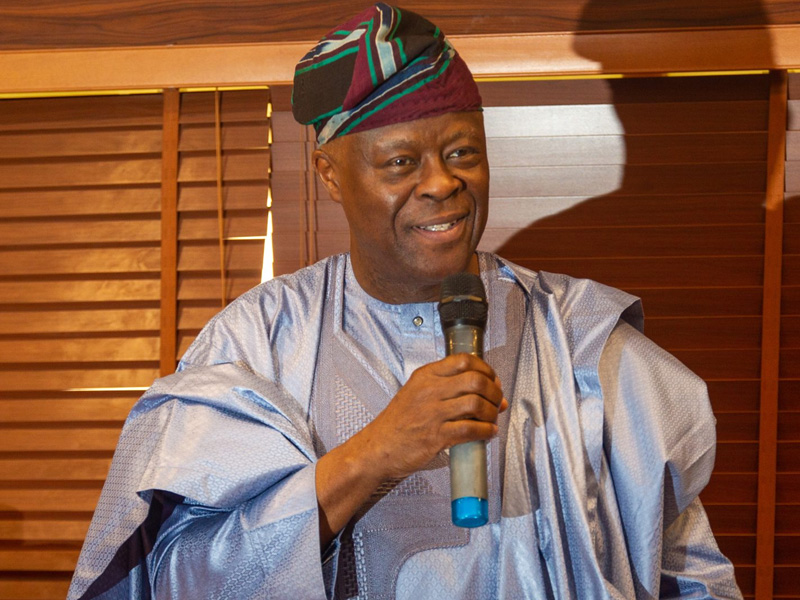
Wale Edun, Coordinating Minister of the Economy, announced in Abuja that Nigeria has expanded its international tax cooperation to tackle revenues lost to illicit financial flows (IFFs). Speaking at the opening of the Committee on Tax and Illicit Financial Flows under the Specialised Technical Committee on Finance, Monetary Affairs, Economic Planning and Integration (STC–FMAEPI), Edun
Wale Edun, Coordinating Minister of the Economy, announced in Abuja that Nigeria has expanded its international tax cooperation to tackle revenues lost to illicit financial flows (IFFs). Speaking at the opening of the Committee on Tax and Illicit Financial Flows under the Specialised Technical Committee on Finance, Monetary Affairs, Economic Planning and Integration (STC–FMAEPI), Edun highlighted the importance of fiscal reform for Africa’s resilience in a changing global environment.
Since May 2023, under President Bola Tinubu, Nigeria has implemented comprehensive tax reforms aimed at simplifying the system, widening the tax base, easing burdens on vulnerable populations, and improving compliance. These reforms, which came into effect in January 2026, also enhanced transparency in managing natural resource revenues.
Edun cited the removal of fuel subsidies, exchange rate unification, and the launch of a National Single Window system as key measures reducing fiscal leakages and improving trade efficiency. He said these reforms have already boosted non-oil revenue collection, strengthened fiscal buffers, and increased investor confidence.
“The president signed Executive Order 9 mandating that all oil and gas revenues are remitted into constitutionally designated accounts before disbursement,” Edun noted. He added that expanded international cooperation allows Nigeria to use information exchange mechanisms to recover revenues lost through illicit financial practices.
Dr. Zacch Adedeji emphasized that IFFs remain a major threat to Africa’s development, diverting billions annually that could fund schools, hospitals, and infrastructure. Highlighting the findings of the High-Level Panel on Illicit Financial Flows from Africa, Adedeji said coordinated continental action is crucial to curb these outflows.
He explained that modernizing revenue services strengthens governance, deepens trust between citizens and the state, and provides resources for sustainable development. “Effective tax systems do not only generate revenue—they reinforce public confidence and enable investment in Africa’s future,” he said.
Nigeria’s approach reflects a broader African agenda: broaden tax bases, improve public financial management, promote domestic savings, develop capital markets, and intensify efforts to curb illicit flows through cross-border cooperation.
Adedeji concluded, “Revenue authorities stand at the frontline of Africa’s development opportunity. By modernizing tax administration and enhancing transparency, we can mobilize the resources needed to finance the continent’s growth and protect its future prosperity.
”This initiative positions Nigeria as a leader in Africa’s fight against financial leakages, setting an example for strengthened fiscal systems across the continent.











Leave a Comment
Your email address will not be published. Required fields are marked with *