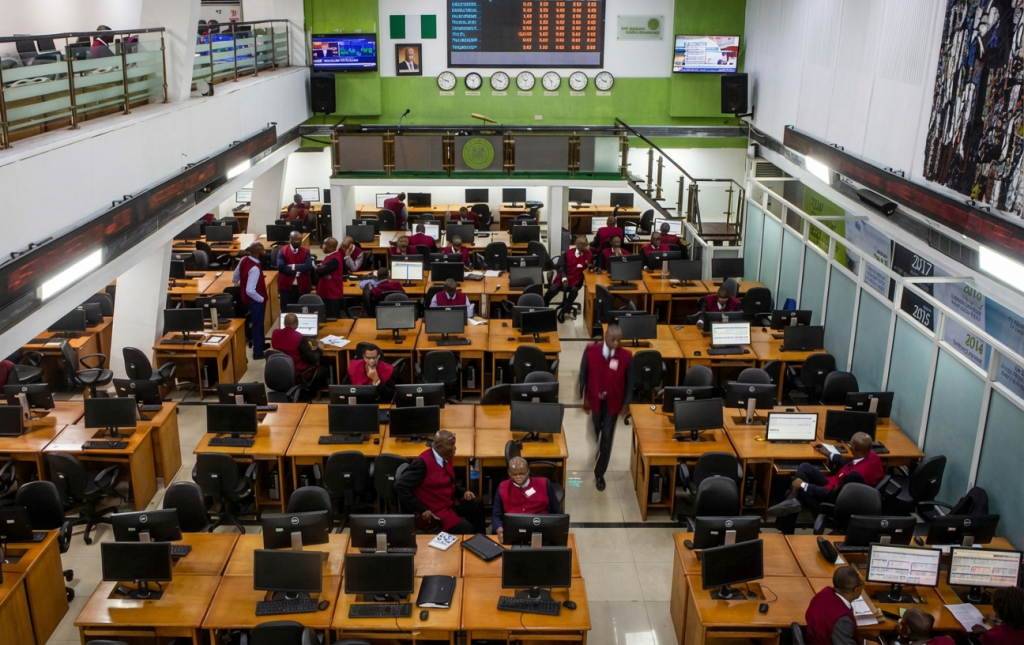
The Nigerian Exchange Limited (NGX) posted a remarkable gain of ₦29.83 trillion in the first quarter of 2026, as investor confidence, corporate earnings growth, and strong sectoral performance drove the market. Data from the NGX showed that the market capitalisation rose from ₦99.38 trillion at the start of the year to ₦129.21 trillion by March
The Nigerian Exchange Limited (NGX) posted a remarkable gain of ₦29.83 trillion in the first quarter of 2026, as investor confidence, corporate earnings growth, and strong sectoral performance drove the market.
Data from the NGX showed that the market capitalisation rose from ₦99.38 trillion at the start of the year to ₦129.21 trillion by March 31, 2026. The market had crossed the ₦100 trillion milestone in early January and surged past ₦120 trillion in February, buoyed by strong performances in Dangote Cement Plc and MTN Nigeria Communications Plc. By March, increased investor demand pushed total capitalisation beyond ₦130 trillion.
Temi Popoola described the surge as a clear sign of growing confidence in Nigeria’s capital market. “Ongoing reforms are strengthening domestic capital formation, and the market is responding positively. Increased local investor participation, improved corporate fundamentals, and continued market modernisation are driving long-term wealth creation,” he said.
The NGX All-Share Index (ASI) climbed from 155,613.03 basis points to 201,287.78 points, a 29.35% growth. Sectoral gains were led by oil and gas with a 64.22% year-to-date return, followed by industrial goods (54.6%), banking (22.8%), consumer goods (9.66%), and insurance (3.54%).
Analysts attributed the rally to renewed investor confidence, robust 2025 corporate earnings, stable foreign exchange rates, moderating inflation, and improved market liquidity. Retail participation and easier access to trading platforms also contributed to higher equity demand.
Aruna Kebira noted that strong fundamentals, particularly in the manufacturing sector, combined with stabilising macroeconomic conditions, reinforced positive investor sentiment. However, he observed that the banking sector still faces cautious investor interest due to Central Bank policies on dividends.
While operators caution that profit-taking and macroeconomic developments could trigger intermittent corrections, the outlook for the rest of 2026 remains cautiously optimistic, provided reforms continue and corporate performance meets expectations.
The strong start to the year underscores Nigeria’s stock market as a key driver for economic growth and investor wealth creation.



















Leave a Comment
Your email address will not be published. Required fields are marked with *