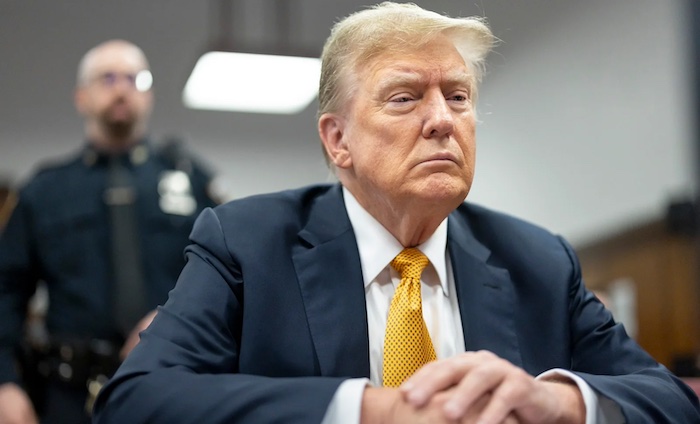
US President Donald Trump has issued a strong warning to Iran, threatening major attacks on critical infrastructure if the country fails to reopen the vital Strait of Hormuz. In a forceful message shared on his Truth Social platform, Trump warned that Iran must restore access to the global oil route or face severe consequences, including
US President Donald Trump has issued a strong warning to Iran, threatening major attacks on critical infrastructure if the country fails to reopen the vital Strait of Hormuz.
In a forceful message shared on his Truth Social platform, Trump warned that Iran must restore access to the global oil route or face severe consequences, including potential strikes targeting power plants and bridges.
The warning followed what Trump described as a “miraculous” rescue of a wounded US airman from deep Iran, which he called one of the most daring search-and-rescue missions in US history. While Iranian authorities claimed to have foiled the operation and released images of destroyed aircraft, they did not deny that the airman was successfully extracted.
The crisis stems from a wider conflict that began on February 28 with joint US-Israeli strikes on Iran, escalating tensions across the Middle East and disrupting global energy flows. Iran has since restricted movement through the Strait of Hormuz, a key passage for a significant portion of the world’s oil and gas supply, while also launching attacks on Israel and neighbouring Gulf states.
Trump reiterated his warning, declaring that failure to reopen the waterway would trigger unprecedented retaliation. Despite the tough rhetoric, he also hinted at a possible diplomatic resolution, expressing optimism that Iran could agree to a deal.
Amid the tensions, reports indicate that Iranian and Omani officials have held talks aimed at easing restrictions on the shipping route.
The conflict has continued to spread across the region, with fresh strikes reported in countries including Lebanon and the Iraq, as well as damage to infrastructure in Gulf nations such as the United Arab Emirates, Bahrain, and Kuwait.
In Tehran, daily life appeared largely undisturbed despite the escalating rhetoric, with residents seen going about normal activities.Meanwhile, global concern is rising over the safety of critical facilities, including the Bushehr Nuclear Plant, where a recent strike reportedly killed a guard and prompted Russia to evacuate workers.
Religious leaders have also weighed in, with Pope Leo XIV calling for peace and urging world powers to avoid further escalation as the conflict casts a shadow over Easter celebrations across the region.
The situation remains tense, with continued military actions, diplomatic efforts, and humanitarian concerns shaping an increasingly volatile geopolitical landscape.











Leave a Comment
Your email address will not be published. Required fields are marked with *