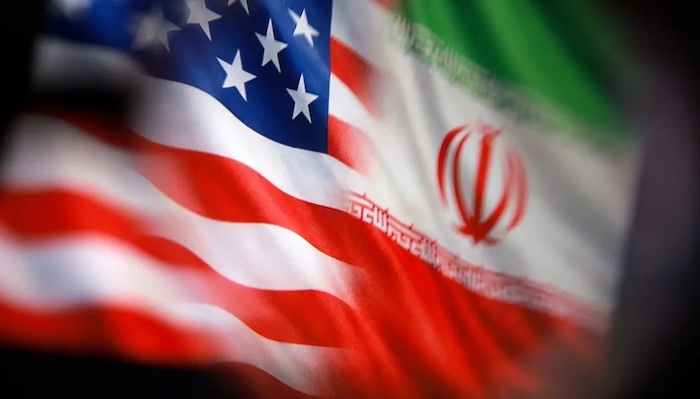
Iran has issued a strong warning that it will carry out “long and painful strikes” against US positions if Washington resumes military action, even as tensions remain elevated despite an existing ceasefire. A senior figure in Iran’s Revolutionary Guards stated that any fresh US attack, no matter how limited, would provoke a forceful response across
Iran has issued a strong warning that it will carry out “long and painful strikes” against US positions if Washington resumes military action, even as tensions remain elevated despite an existing ceasefire.
A senior figure in Iran’s Revolutionary Guards stated that any fresh US attack, no matter how limited, would provoke a forceful response across the region.
“We’ve seen what happened to your regional bases, we will see the same thing happen to your warships,” said Majid Mousavi, Aerospace Force Commander.
The warning comes as the Strait of Hormuz remains shut two months into the conflict involving the United States, Israel, and Iran. The strategic waterway, responsible for about 20 percent of global oil and gas supply, has seen its closure drive energy prices higher.
Iran’s Supreme Leader Mojtaba Khamenei reinforced Tehran’s stance, saying the country would maintain control of the strait.
“Foreigners who come from thousands of kilometres away … have no place there except at the bottom of its waters,” he said.
Meanwhile, the United States is weighing additional military options. President Donald Trump is expected to receive a briefing on possible new strikes aimed at compelling Iran to return to negotiations, according to a US official.
At the diplomatic level, Iran’s Foreign Ministry spokesman Esmaeil Baghaei tempered expectations of quick progress in talks.
“Expecting to reach a result in a short time, regardless of who the mediator is, in my opinion, is not very realistic,” he said.
Although a ceasefire has been in place since April 8, Iran continues to block the strait in response to a US naval blockade targeting its oil exports.
The prolonged disruption has raised global economic concerns. UN Secretary-General Antonio Guterres warned that extended blockage of the route could slow economic growth and worsen poverty levels.
“The longer this vital artery is choked, the harder it will be to reverse the damage,” he said.
In a related move, the United Arab Emirates has prohibited its citizens from travelling to Iran, Lebanon, and Iraq, while urging those currently in those countries to return home.
Despite the ongoing standoff, Trump reiterated that Iran would not be allowed to develop nuclear weapons and maintained that fuel prices would decline once the conflict comes to an end.













Leave a Comment
Your email address will not be published. Required fields are marked with *