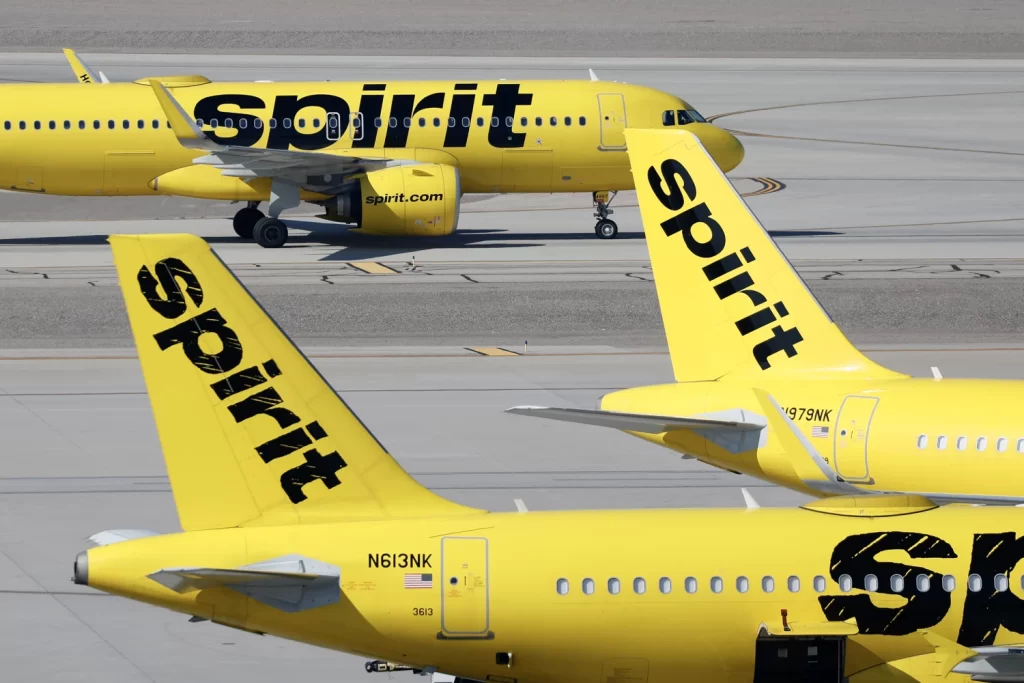
Operations at Spirit Airlines have come to an abrupt halt following a surge in jet fuel prices tied to rising geopolitical tensions involving Iran, leaving passengers stranded and putting thousands of jobs at risk. The airline, already battling financial instability, was pushed over the edge by escalating fuel costs—one of the most critical expenses in
Operations at Spirit Airlines have come to an abrupt halt following a surge in jet fuel prices tied to rising geopolitical tensions involving Iran, leaving passengers stranded and putting thousands of jobs at risk.
The airline, already battling financial instability, was pushed over the edge by escalating fuel costs—one of the most critical expenses in aviation. Industry estimates indicate that up to 15,000 jobs, including employees and contractors, could be affected by the sudden shutdown.
The crisis also deals a blow to Donald Trump, whose administration had proposed a $500 million bailout package to keep the airline afloat. However, the plan failed to secure enough support from lawmakers and key financial stakeholders.
According to U.S. Transportation Secretary Sean Duffy, rescue negotiations collapsed after major creditors rejected the bailout terms. Among the dissenting voices was investment firm Citadel, led by Ken Griffin, which raised concerns about the deal’s implications for existing debt obligations.
Analysts say the shutdown highlights the vulnerability of the aviation industry to global shocks, particularly those affecting fuel supply chains. Ongoing disruptions in key shipping routes have further intensified cost pressures across the sector.
Authorities and industry players are now working to assist stranded passengers and arrange alternative travel, while also assessing the wider economic fallout of the airline’s collapse.



















Leave a Comment
Your email address will not be published. Required fields are marked with *