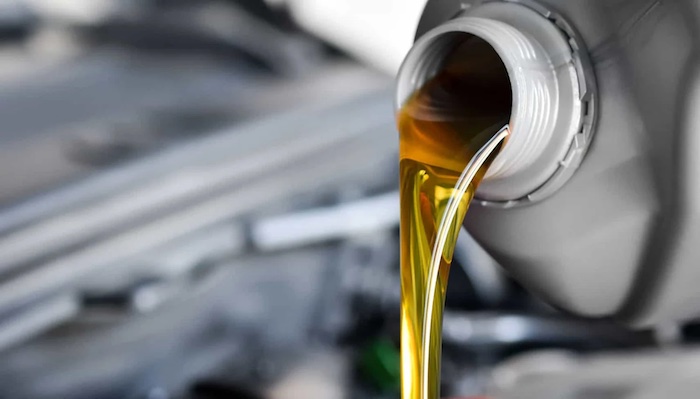
Nigeria imported refined petroleum products worth £1.1 billion from the United Kingdom in 2025, highlighting the country’s continued dependence on foreign fuel supplies even as efforts to boost local refining gather momentum. According to newly released UK trade figures, refined petroleum products remained the largest British export to Nigeria during the year, making up more
Nigeria imported refined petroleum products worth £1.1 billion from the United Kingdom in 2025, highlighting the country’s continued dependence on foreign fuel supplies even as efforts to boost local refining gather momentum.
According to newly released UK trade figures, refined petroleum products remained the largest British export to Nigeria during the year, making up more than 60 per cent of all goods shipped from the UK to the West African nation. The value of those exports also rose by 9.4 per cent compared to the previous year.
The figures underscore the challenge facing Nigeria’s drive for energy self-sufficiency despite increased production from domestic refining facilities, including the Dangote Refinery and ongoing rehabilitation work at government-owned refineries.
Beyond petroleum products, other major UK exports to Nigeria included personal care products, textile materials, industrial machinery, and beverages. However, none came close to the value generated by fuel exports, which exceeded the combined total of the next several leading export categories.
Trade between both countries continued to strengthen during the period, with total bilateral trade reaching £7.6 billion. UK exports to Nigeria climbed to £5.5 billion, while imports from Nigeria stood at £2.1 billion, giving Britain a trade surplus of £3.3 billion.
The report also showed that services remained the backbone of British exports to Nigeria, although fuel products continued to dominate goods trade.
The latest data comes as Nigerian authorities intensify efforts to attract foreign investment and deepen economic ties with the United Kingdom, while simultaneously seeking to reduce the country’s long-standing reliance on imported petroleum products.



















Leave a Comment
Your email address will not be published. Required fields are marked with *