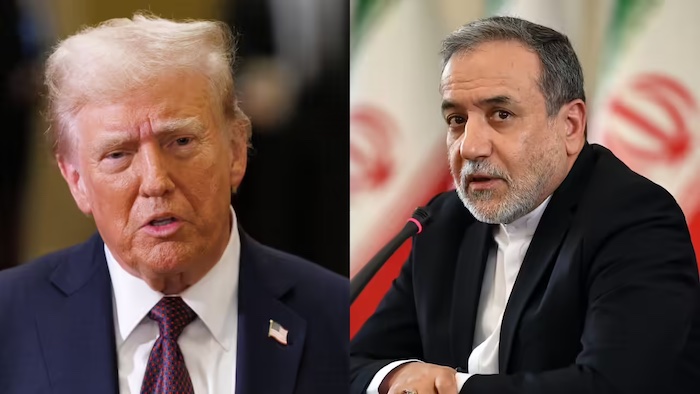
Oil prices edged higher on Thursday as investors assessed the impact of renewed military tensions between the United States and Iran on global energy supplies and the prospects for peace in the Middle East. Brent crude futures gained 53 cents, or 0.68%, to $78.55 per barrel by 1148 GMT, while U.S. West Texas Intermediate (WTI)
Oil prices edged higher on Thursday as investors assessed the impact of renewed military tensions between the United States and Iran on global energy supplies and the prospects for peace in the Middle East.
Brent crude futures gained 53 cents, or 0.68%, to $78.55 per barrel by 1148 GMT, while U.S. West Texas Intermediate (WTI) crude rose 39 cents, or 0.53%, to $73.91 per barrel.
Both benchmarks had earlier climbed to their highest levels since June 22 during Wednesday’s trading session.
The gains followed fresh military exchanges after U.S. strikes on Iran prompted retaliatory attacks by Tehran on American military assets in Kuwait and Bahrain.
Market analysts said the continued uncertainty surrounding the conflict is providing support for oil prices.
Saxo Bank analyst Ole Hansen described the market as highly nervous, noting that any development reducing the chances of a peace agreement is pushing prices higher.
The renewed confrontation intensified after Iranian forces targeted U.S. military facilities in neighbouring Gulf states following American strikes on Iran’s southern coastal and eastern provinces, further undermining a ceasefire that has been in place for three weeks.
The latest escalation has also heightened concerns over shipping through the Strait of Hormuz, one of the world’s most important energy transit routes.Insurance industry sources said some war-risk underwriters have advised shipping companies to suspend voyages through the Strait, while others are reviewing insurance policies following renewed attacks on vessels.
Before the latest conflict, oil prices had weakened on expectations of increased Middle Eastern supply following the fragile ceasefire and signs of rising crude inventories.
Around one-fifth of global oil and liquefied natural gas supplies pass through the Strait of Hormuz, making the waterway a critical strategic route for global energy markets.
Goldman Sachs said risks to the oil market remain balanced, adding that supply could recover by the end of July if diplomatic talks resume, sanctions waivers on Iranian oil are restored and shipping companies receive adequate security assurances.
The bank, however, warned that failed negotiations, further attacks on oil tankers or tighter restrictions on Iranian exports could trigger fresh supply disruptions.
Aneeka Gupta, Director of Macroeconomic Research at WisdomTree, said Brent crude is expected to trade within a range of $75 to $85 per barrel over the next month, with a slight upward bias. She noted that while supply recovery is underway, it remains incomplete, the expected surplus has not materialised, and diplomatic efforts, though stalled, have not completely broken down.
Meanwhile, Russia announced a ban on diesel exports on Wednesday to stabilise its domestic fuel market after Ukrainian drone attacks disrupted refinery operations, contributing to fuel shortages and higher prices.



















Leave a Comment
Your email address will not be published. Required fields are marked with *