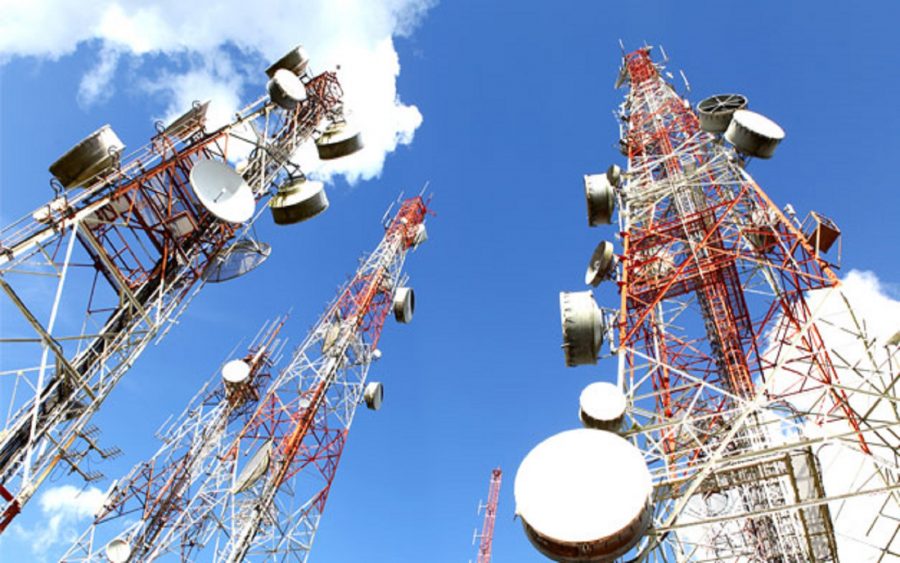
Major telecommunications operators in Nigeria say the nation’s telecom network is capable of supporting real-time electronic transmission of election results for the 2027 general elections, industry officials and experts say, even as debate continues over how results should be shared on election day. In separate comments published in a position paper and media interviews, representatives
Major telecommunications operators in Nigeria say the nation’s telecom network is capable of supporting real-time electronic transmission of election results for the 2027 general elections, industry officials and experts say, even as debate continues over how results should be shared on election day.
In separate comments published in a position paper and media interviews, representatives of leading network operators such as MTN Nigeria, Airtel Nigeria and Globacom said objections to electronic result transmission based on alleged infrastructure limitations were outdated and not supported by current coverage data. According to the Association of Licensed Telecommunications Operators of Nigeria (ALTON), network maps from the Nigerian Communications Commission (NCC) show that 3G and 4G services cover over 70 per cent of the country, with 5G also expanding, and even remaining areas on 2G are able to transmit data electronically.
Industry executives noted that mobile network coverage, including in many rural and semi-urban areas, can support uploading election results from polling units to the INEC Result Viewing Portal (IReV) and central collation centres once the legal and procedural steps are in place. They also highlighted the ability to use satellite-enabled transmission in locations with weak terrestrial signals, saying this hybrid approach would help close coverage gaps.
The Independent National Electoral Commission (INEC) has previously said in technical documents that electronic transmission of results is both feasible and supported by existing telecommunications infrastructure, but stressed that implementation hinges on a clear legal framework and operational guidelines. INEC’s 2021 “Position Paper on Electronic Transmission of Election Results” noted that network assessments showed adequate coverage for most polling units nationwide.
Despite these endorsements from telcos and INEC, the Electoral Act 2026 signed into law this year stops short of making real-time electronic transmission mandatory, instead allowing INEC discretion on how and when to use digital tools for transmission, with manual transmission still recognised as the legal basis where technology fails.
Supporters of compulsory electronic transmission argue it would enhance transparency and public confidence in election outcomes, helping reduce delays and limit opportunities for manipulation during physical movement of result sheets. Critics warn about possible technical glitches and security risks if systems are not implemented and tested effectively before the polls.
With the presidential and National Assembly elections scheduled for February 20 2027, followed by governorship and state elections on March 6, authorities and telecom stakeholders continue to work on aligning legal clarity with technical readiness to ensure that electronic result transmission can be deployed effectively and securely where feasible.



















Leave a Comment
Your email address will not be published. Required fields are marked with *