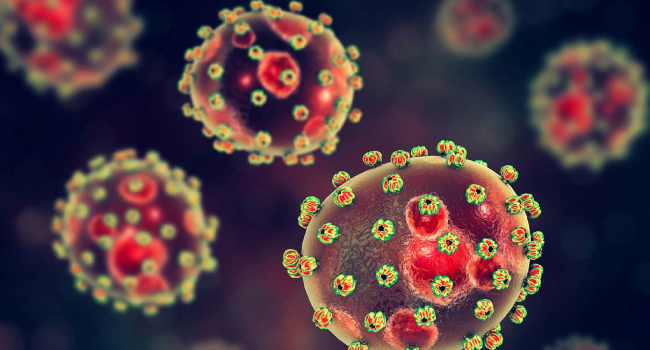
The Nigeria Centre for Disease Control and Prevention (NCDC) has confirmed a total of 318 Lassa fever cases and 70 deaths nationwide since the beginning of 2026, health officials said on Friday in the latest outbreak update. The agency said the situation remains serious and urged heightened vigilance and stronger public health action across affected
The Nigeria Centre for Disease Control and Prevention (NCDC) has confirmed a total of 318 Lassa fever cases and 70 deaths nationwide since the beginning of 2026, health officials said on Friday in the latest outbreak update. The agency said the situation remains serious and urged heightened vigilance and stronger public health action across affected states.
In a press briefing in Abuja, Dr Jide Idris, the NCDC Director-General, said out of 1,469 suspected cases recorded so far this year, 318 have been confirmed through laboratory testing, resulting in a case fatality rate of about 22 per cent. He said the majority of confirmed infections were reported in just a handful of states, with Edo, Ondo, Taraba, Bauchi and Ebonyi accounting for 91 per cent of cases.
Dr Idris explained that ten local government areas currently make up nearly 68 per cent of all infections, highlighting concentrated hotspots that need urgent attention. To support containment efforts, NCDC has deployed its National Rapid Response Team to eight reporting states including Bauchi, Ondo, Taraba, Edo, Plateau, Benue and Jigawa to help strengthen surveillance and coordinate emergency response efforts with state authorities.
The health agency also expressed concern about infections among healthcare workers and warned that low infection prevention and control practices in some treatment facilities are contributing to increased risks for medical personnel. It said additional measures are being taken to reinforce training for health staff and improve clinical management where cases are confirmed.
To curb the spread of the virus, NCDC has called on state governments to intensify contact tracing, enhance community engagement, improve sanitation and rodent control measures, and increase access to early diagnosis and treatment for suspected Lassa fever cases. Public education on personal hygiene and safe food storage is also being emphasised as part of outbreak response efforts.


















Leave a Comment
Your email address will not be published. Required fields are marked with *